


Introduction
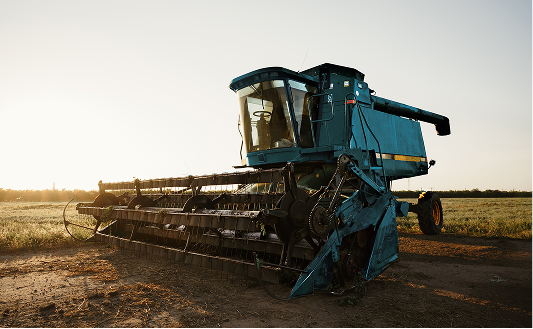
Tractors have become an indispensable part of modern agriculture, transforming the way farming is conducted and significantly enhancing productivity. From their inception in the late 19th century to their modern, technologically advanced counterparts, tractors have revolutionized agricultural practices across the globe. This article delves into the history, evolution, and the profound impact tractors have had on agriculture.
The Birth of the Tractor
The concept of the tractor emerged in the late 1800s, with the invention of steam-powered engines that could perform agricultural tasks. These early machines were cumbersome and not widely adopted due to their size and maintenance requirements. However, they laid the groundwork for further innovations. The real breakthrough came in the early 20th century with the development of the internal combustion engine, which led to the creation of more practical and efficient tractors.
The Evolution of Tractor Technology
Over the decades, tractors have undergone significant advancements. In the 1920s and 1930s, gasoline-powered tractors became more common, offering farmers a more reliable and easier-to-use alternative to animal labor. The introduction of diesel engines further enhanced their efficiency and power.
Post-World War II, the mechanization of agriculture accelerated, and tractors became more sophisticated with the addition of hydraulic systems, power take-off (PTO) mechanisms, and three-point hitches. These innovations allowed for a wider range of implements to be used, increasing the versatility of tractors.
In recent years, technological advancements have propelled tractors into the digital age. Modern tractors are equipped with GPS technology, enabling precision farming practices. This allows farmers to optimize field layouts, reduce waste, and improve crop yields. Additionally, autonomous tractors are being developed, promising to further revolutionize the industry by reducing labor costs and increasing efficiency.